What the Wilderness Can Reveal About Great Teams
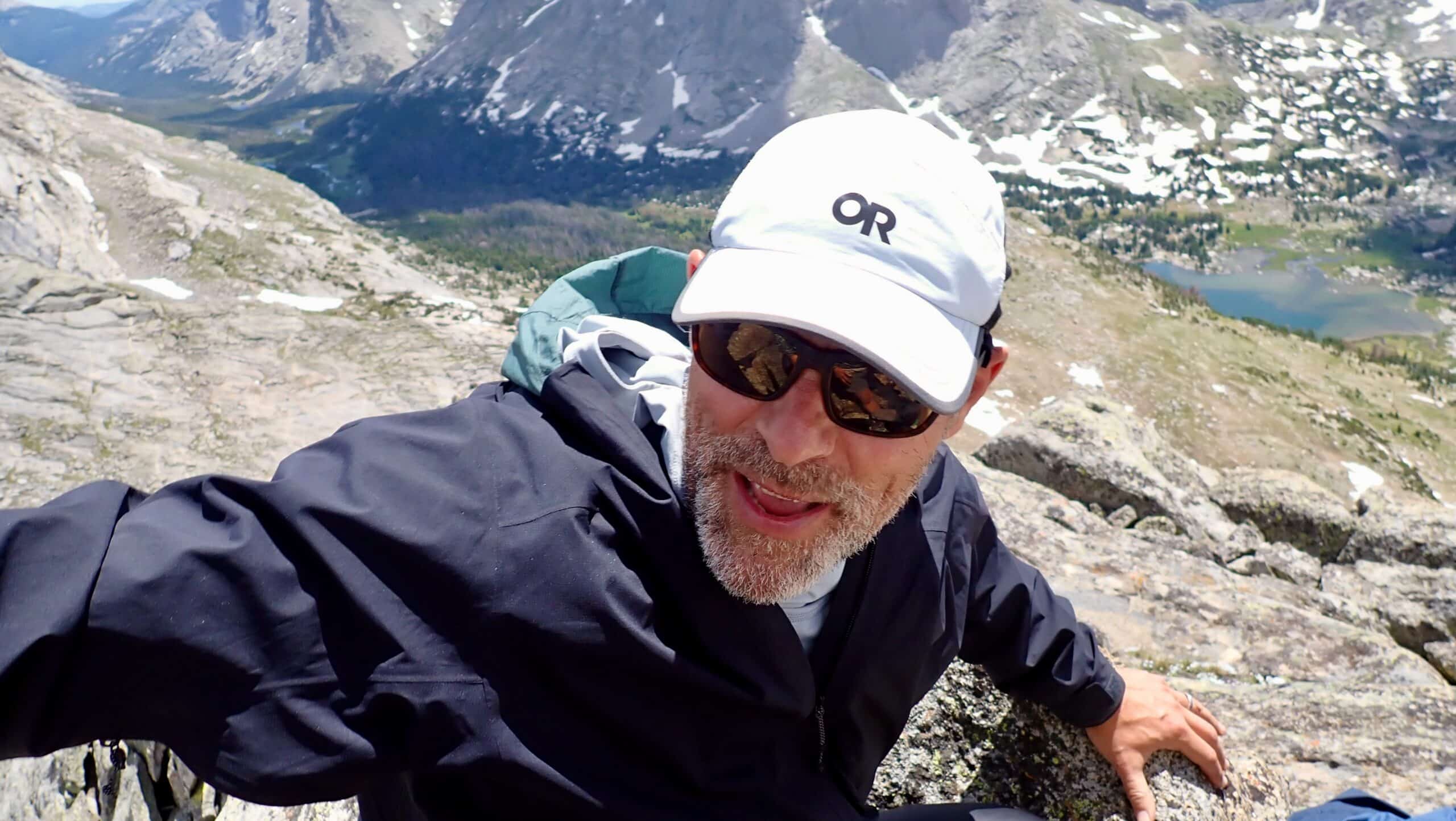
This summer, I spent 12 days backpacking through Wyoming’s Wind River Range. It was a return of sorts: more than 30 years ago, I completed a month-long expedition in those same remote, rugged mountains that criss-cross the Continental Divide at altitudes over 10,000 feet, completely disconnected from society.
I expected the physical challenge. What I didn’t expect was how much the experience would make me think about leadership––and many of the CEOs, investors, and teams we work with at Chasm.
The trip was through the National Outdoor Leadership School (NOLS). Organizations ranging from NASA to the military have used wilderness-based programs like NOLS to develop leadership, judgment, and teamwork. It’s easy to understand why once you’re out there.
You Don’t Control the Environment
Over 12 days, we carried all of our gear on our backs, including food, traveled at altitude, and navigated challenging terrain. The weather changed, people got tired, and routes had to be reconsidered. Plans that made sense in the morning sometimes needed to change by afternoon. All of this while being more than 15 miles from the nearest dirt road, with no cell phone connectivity.
You quickly learn the difference between what you can control and what you can’t, a distinction that feels particularly relevant in business today.
CEOs and investors can’t control interest rates, capital markets, reimbursement changes, competitors, regulatory shifts, technological disruption, or countless other external forces.
What we can control is how prepared we are, how quickly we recognize changing conditions, and how effectively we respond.
The wilderness also gives you a different perspective on risk. The objective isn’t to eliminate risk–– that’s impossible. It’s about recognizing it early, understanding the potential consequences, communicating openly, and adjusting. This is exactly why NASA astronauts train in the wilderness before their high-stakes, high-risk missions.
A hot spot on your foot is a good example of risk. Address it early, and it’s usually insignificant. Ignore it, and it becomes a blister. Keep going, and it can become an injury that affects the entire team on a hiking expedition.
Organizations aren’t very different.
Concerns about a strategy, executive, customer, or board relationship rarely improve because nobody talks about them. The best leaders surface issues early––when they still have choices.
I came home from Wyoming thinking a lot about this distinction: Great leaders don't need to control the environment. They build organizations that can adapt to it.
But there was another lesson from the expedition that may be even more important: when conditions became difficult, individual capability wasn’t enough. How the team behaved mattered enormously.
There’s a name for that: Expedition Behavior.
What Great Teams Do Differently
When things got harder, the strongest individual didn’t determine whether we succeeded. The team did.
NOLS calls this Expedition Behavior.
The concept is remarkably simple: put the mission ahead of yourself. Carry your share of the load, and pay attention to how others are doing. Step in before someone has to ask and communicate problems early. Respect different strengths, know when to lead––and when someone else should.
I saw all of this play out in the mountains this summer.
Some days you feel strong and carry a little more. Another day, someone else does. Leadership changes depending upon the terrain, the challenge, and who has the right experience. There’s little room for ego because everyone ultimately depends on everyone else.
During our expedition, one member of our team became injured to the extent that our mission was in jeopardy. The team came together and made a plan to redistribute his pack weight and adjust a challenging technical route, ensuring our expedition stayed on track while caring for his needs.
It made me think about the leadership teams we help build at Chasm.
We spend a lot of time evaluating executives based on experience, accomplishments, and individual capabilities. Those things obviously matter.
But perhaps we should spend just as much time asking: What happens to the people around this leader?
Do they make the team better? Do they communicate effectively? Do they raise difficult issues early? Do they step outside their job description when the mission requires it? Can they follow as effectively as they lead? And when something goes wrong, do they look for someone to blame—or pick up part of the load?
The longer I work with CEOs and investors, the more convinced I become that exceptional organizations aren't simply collections of exceptional individuals. They're groups of talented people who have learned how to behave together.
That's what Expedition Behavior ultimately means to me.
The wilderness brings to life the high stakes that come with teamwork in managing risk. And perhaps that's the most useful lesson I brought home from the mountains: You don't build a great team by assembling the strongest individuals. You build one by creating a culture where everyone helps the team accomplish its mission, or summit its next mountain.
This article was written by Matt Dumas, Founder & Managing Partner at Chasm Partners.